Brenna O'Donnell
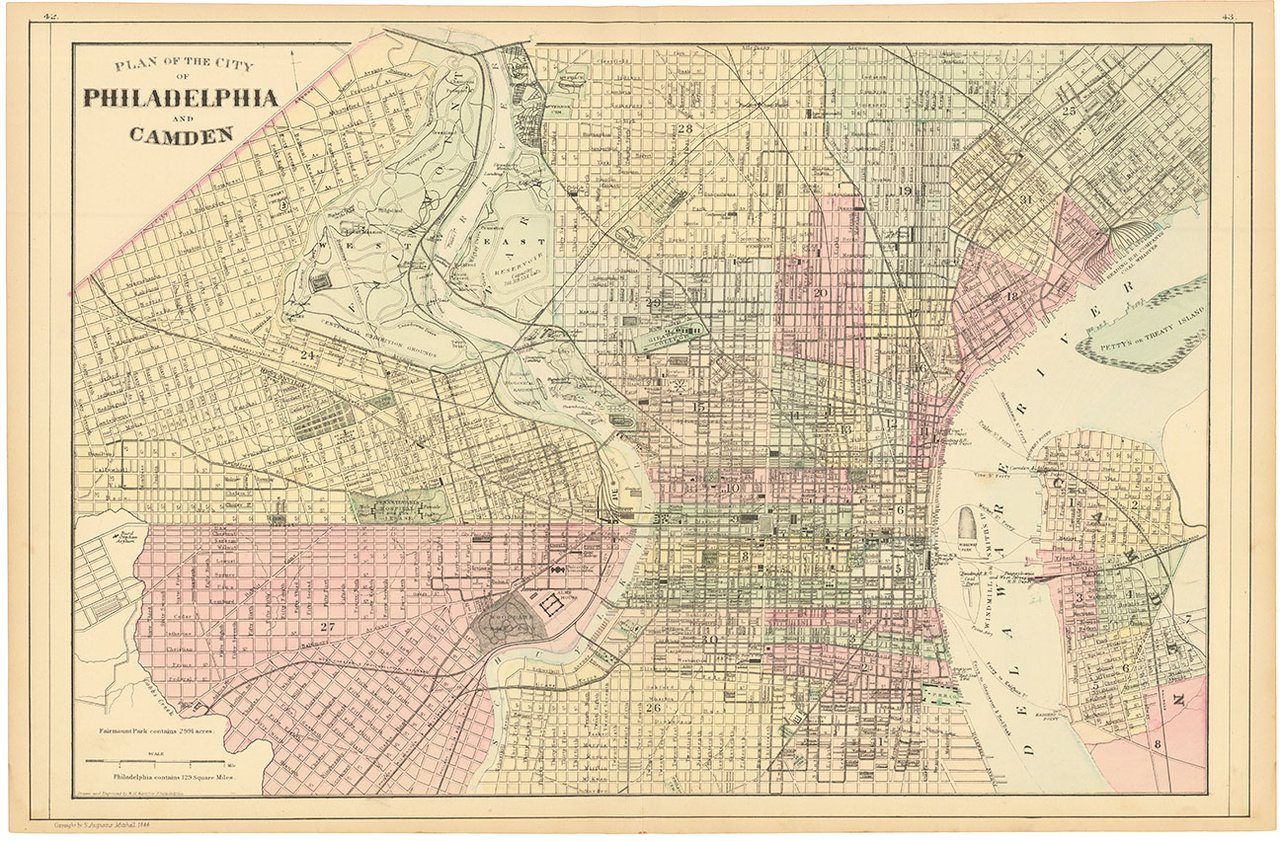
Philadelphia as we know it today with busy streets, packed sidewalks, rowhomes stacked on a perfect grid, was never exactly what William Penn had in mind. In fact, when Penn was helping shape the vision for the city, he didn’t want it to feel like a city at all! Early Philadelphia was meant to be open, breathable, and practical. Think more green space and movement, less congestion. The layout was intentional: wide streets, clear organization, and room for nature and daily life to coexist. That’s also why Philly was designed on a grid system- to make it easier to navigate, easier to grow, and easier to function. No winding confusion, no chaos. Just logic.
Long before Rittenhouse Square became synonymous with luxury apartments and cafe seating, it was actually full of animals. The square functioned as a common grazing area where livestock roamed freely. Horses, cows, and other animals were a normal part of daily life, not a novelty. Which brings us to one of Philly’s most overlooked details: The shoe cleaners you've probably walked past hundreds of times, and maybe once had a thought of 'what even is that?' The first time when I really questioned them was at a showing we had on Spring Garden Street for a family looking for their next home. After that, I took note that they are actually all over the neighborhood! After reading into them a little more, I found out they're known as boot scrapers, and you can find many of the metal fixtures embedded in the sidewalks near stoops in areas like Fairmount or Old City. No, they’re not decorative. They were used to clean shoes when our streets weren't (mostly) paved like they are today- they were full of mud and manure. Back when horses were the primary mode of transportation, these metal scrapers were placed outside homes and buildings so riders could clean mud and debris off before heading inside. A tiny reminder that Philly streets were once filled with hooves instead of tires. The grid system wasn’t just built for aesthetics. It made travel easier for horses, carts, and pedestrians. Streets were wide enough to move efficiently, intersections were predictable, and everything felt intentional. Penn believed cities should serve people, not overwhelm them- and that philosophy still quietly shapes Philly today.
Here’s a fun (and slightly chaotic) fact that proves history still lives beneath our feet, that I think is pretty neat. When the irrigation system was installed under Rittenhouse Square, the exact locations of the pipes were never properly recorded or shared. Fast forward to modern times, and… still, no one actually knows where they are. We found this out the hard way. During Love Your Park Day, while planting thousands of flowers in Rittenhouse Square, Bobby and I started digging- and hit pipes! Surprise. No maps. No warnings. Just history resurfacing in real time in front of us, and a few of the neighborhoods hot spots like Rouge and Parc. We're excited to walk back down to exactly where we planted our hundreds of tulips in the square this spring to see all of our hard work blossom. It was one of those moments that perfectly sums up Philly in my eyes: deeply historic, a little messy, and constantly reminding you that the past is never that far away.
From grazing animals to horse powered streets, from a city that wasn’t meant to feel like one to underground systems no one can quite track anymore- Philadelphia’s origins are layered into its sidewalks, parks, and street corners. So next time you’re walking through Rittenhouse or Old City, look down. You will be standing on a piece of history William Penn never intended to disappear.