Buying your first home in Philadelphia can feel exciting one minute and overwhelming the next. Between rowhomes, condos, older homes, taxes, inspections, and closing costs, it's easy to wonder what you are really signing up for. The good news is that when you know what to expect, you can make smarter decisions with a lot more confidence. Let’s walk through the key parts of buying your first Philadelphia home.
Philadelphia homes look different
If you are buying in Philadelphia, your first home search may look very different from a suburban search. City materials say rowhouses make up about 60% of the housing stock, and about 88% of homes were built before 1980. That means many first-time buyers are comparing older attached homes, condos, and some newer construction rather than detached houses with large lots.
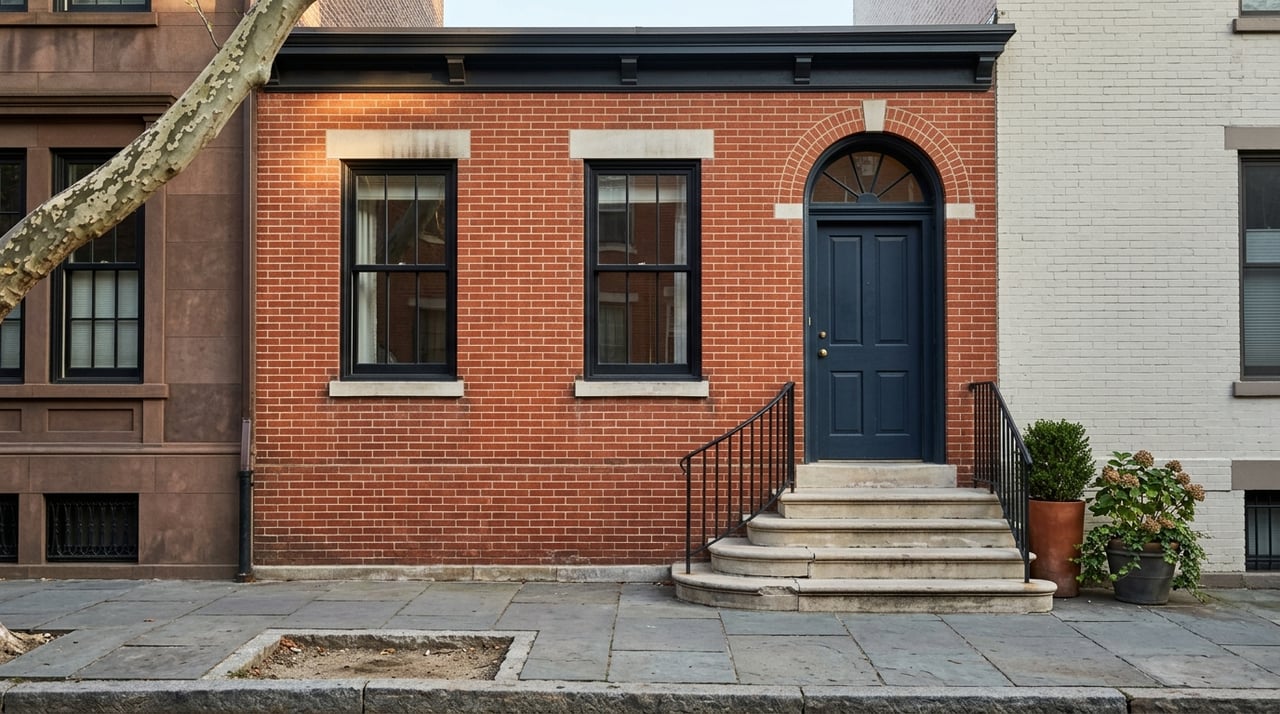
A Philadelphia rowhouse is usually a narrow home attached to neighboring homes on both sides. These properties can range from compact Trinity-style homes to larger townhomes. If you are new to the city market, it helps to know that attached living is a normal part of the Philadelphia buying experience.
Condos work differently from rowhouses because you own your unit while sharing ownership of common areas with other owners. Monthly condo or HOA dues are typically used for maintenance, repairs, and shared amenities. That also means the documents behind the condo matter just as much as the kitchen, layout, or location.
Know your real monthly budget
One of the biggest mistakes first-time buyers make is focusing only on the mortgage payment. In Philadelphia, your monthly housing cost usually includes principal and interest, real estate taxes, homeowners insurance, and sometimes mortgage insurance or HOA dues. If you are buying a condo, those dues are a key part of affordability.
Philadelphia's real estate tax rate is 1.3998% of assessed value. The city also offers a Homestead Exemption that reduces the taxable assessed value of a primary residence by $100,000, which can save many homeowners up to $1,399 per year on their real estate tax bill. Because taxes are tied to assessed value, future reassessments can also change your escrow payment over time.
Homeowners insurance is another cost to plan for carefully. While homeowners insurance is not mandatory under Pennsylvania law, most lenders require coverage at least equal to the mortgage amount. The Pennsylvania Insurance Department also notes that standard homeowners policies commonly exclude flood and earthquake coverage, so the property type and location can affect what protection you may want to explore.
Budget for cash to close
Your down payment is only part of the money you need. Closing costs are the upfront costs tied to getting the loan and transferring ownership, and they can include taxes, government fees, prepaids, and initial escrow amounts. For first-time buyers, this is where the numbers can feel bigger than expected.
In Philadelphia, one major local cost is the realty transfer tax. The total transfer tax is 4.578%, made up of 3.578% for the city and 1% for the Commonwealth. The city says this tax is usually split evenly between buyer and seller, but that is not required, so it is important to understand what is being negotiated in your specific deal.
Your Closing Disclosure is the form that lays out your final mortgage details and closing charges. It can show items like lender credits, seller credits, prepaids, and escrow amounts. Reviewing that document carefully helps you see the full picture instead of focusing only on sale price.
First-time buyer help in Philadelphia
Some Philadelphia buyers may qualify for local assistance. The Philly First Home program can provide up to $10,000 or 6% of the purchase price, whichever is less, for down payment and or closing costs. For many first-time buyers, that can make a meaningful difference in getting to the closing table.
There are important rules to know. The program is limited to buyers who have not owned a home in the last three years, city-funded counseling must be completed before signing the agreement of sale, and condominiums are not eligible. The grant is also available only while funding lasts, and it must be repaid if you move or refinance before 15 years.
Older homes need careful due diligence
Philadelphia has a large share of older housing, and that affects how you should approach inspections. City planning materials say about 38% of homes were built before 1940, and older properties can come with repair history, aging systems, and materials that need closer review. That does not mean you should avoid older homes, but it does mean you should go in with open eyes.
Pennsylvania seller disclosure law requires a signed disclosure before the agreement of transfer is signed. Required topics include the roof, basement, termites, structural issues, additions, plumbing, heating and air, electrical systems, water and sewage, hazardous substances, title issues, stormwater facilities, and condo or HOA matters when applicable. For you as a buyer, that list works like a practical roadmap for what to review.
Pennsylvania's Home Inspection Law treats the home inspection as a consumer-protection service and restricts conflicts of interest. That is one reason an inspection should be treated as true independent due diligence, not just a step to rush through. A careful inspection can help you better understand condition, repairs, and future maintenance.
Lead-based paint and radon are also important topics in Philadelphia's older housing stock. Older homes are more likely to contain lead-based paint, and radon can only be confirmed through testing. These issues can be especially relevant when you are buying an older rowhome.
Offer strategy starts before the offer
A strong offer begins with financial preparation. Consumer guidance from the CFPB advises getting at least three preapprovals and comparing at least three loan offers. A preapproval gives you a clearer idea of what you may be able to borrow and can help sellers feel more confident in your financing.
In a city like Philadelphia, offer strategy is about more than just the highest number. You also need to understand your total monthly payment, how much cash you need to close, whether there are seller credits, and whether HOA dues or taxes change the affordability picture. A lower purchase price is not always the better deal if other costs are much higher.
This is especially true with condos. Since condo sellers disclose the unit itself while common-element disclosures are handled separately through condominium resale rules, reviewing the association materials is a major part of making an informed decision. Monthly dues, rules, and shared-building responsibilities should all be part of your evaluation.
What first-time buyers should expect step by step
Your path to buying a first home in Philadelphia will vary, but the process often follows a similar rhythm. Knowing the flow can make the whole experience feel more manageable.
1. Set a full budget
Look beyond the loan amount. Estimate taxes, insurance, mortgage insurance if applicable, and any condo or HOA dues so you know what monthly ownership may really cost.
2. Get preapproved early
A preapproval gives you a working price range and helps you shop with more confidence. It also puts you in a better position when you are ready to make an offer.
3. Search with Philadelphia housing in mind
Be prepared to compare rowhouses, condos, and older homes. Layout, age, shared walls, building systems, and association rules can all shape your decision.
4. Review disclosures carefully
Seller disclosures can reveal important details about condition and prior issues. Read them closely so you know what questions to ask before moving forward.
5. Use inspections as real protection
An inspection is your chance to better understand the home's condition. In older Philadelphia properties, this step can be especially important.
6. Track cash to close
Keep an eye on transfer tax, lender fees, escrow, prepaids, and any credits. Your actual closing number may be very different from your down payment alone.
Why local guidance matters
First-time buyers in Philadelphia are not just learning how to buy a home. You are also learning how to buy in a city with older housing, attached homes, condo rules, and local tax considerations. That is why clear guidance and responsive communication can make such a difference.
When you have the right support, the process feels less intimidating and more manageable. You can focus on comparing the right properties, understanding real costs, and making decisions that fit both your budget and your day-to-day life in the city.
If you are thinking about buying your first home in Philadelphia, the O'Donnell Coyle Realty Team can help you understand your options, build a smart plan, and move forward with confidence.
FAQs
What types of homes do first-time buyers usually consider in Philadelphia?
- Many first-time buyers compare rowhouses, condos, and newer construction, since rowhouses make up a large share of Philadelphia's housing stock and many homes are older attached properties.
What should a monthly home budget include for a Philadelphia buyer?
- Your monthly budget should usually include principal and interest, real estate taxes, homeowners insurance, and, when applicable, mortgage insurance plus HOA or condo dues.
What is the Philadelphia real estate tax rate for homeowners?
- Philadelphia's real estate tax rate is 1.3998% of assessed value, and the Homestead Exemption can reduce the taxable assessed value of a primary residence by $100,000.
What closing costs matter most for first-time buyers in Philadelphia?
- Buyers should plan for more than the down payment, including lender fees, prepaids, escrow amounts, and Philadelphia's realty transfer tax, which totals 4.578%.
What is the Philly First Home program for Philadelphia buyers?
- Philly First Home can provide up to $10,000 or 6% of the purchase price for down payment and or closing costs for eligible first-time buyers, but condos are not eligible and counseling must be completed before signing the agreement of sale.
Why are inspections especially important for older Philadelphia homes?
- Because much of Philadelphia's housing stock is older, inspections can help you evaluate aging systems, structural concerns, lead-based paint risk, radon testing needs, and other condition issues before closing.